
3 questions to our new board member: Jérome Garcin, General Manager for Switzerland and Austria bei Bristol Myers Squibb
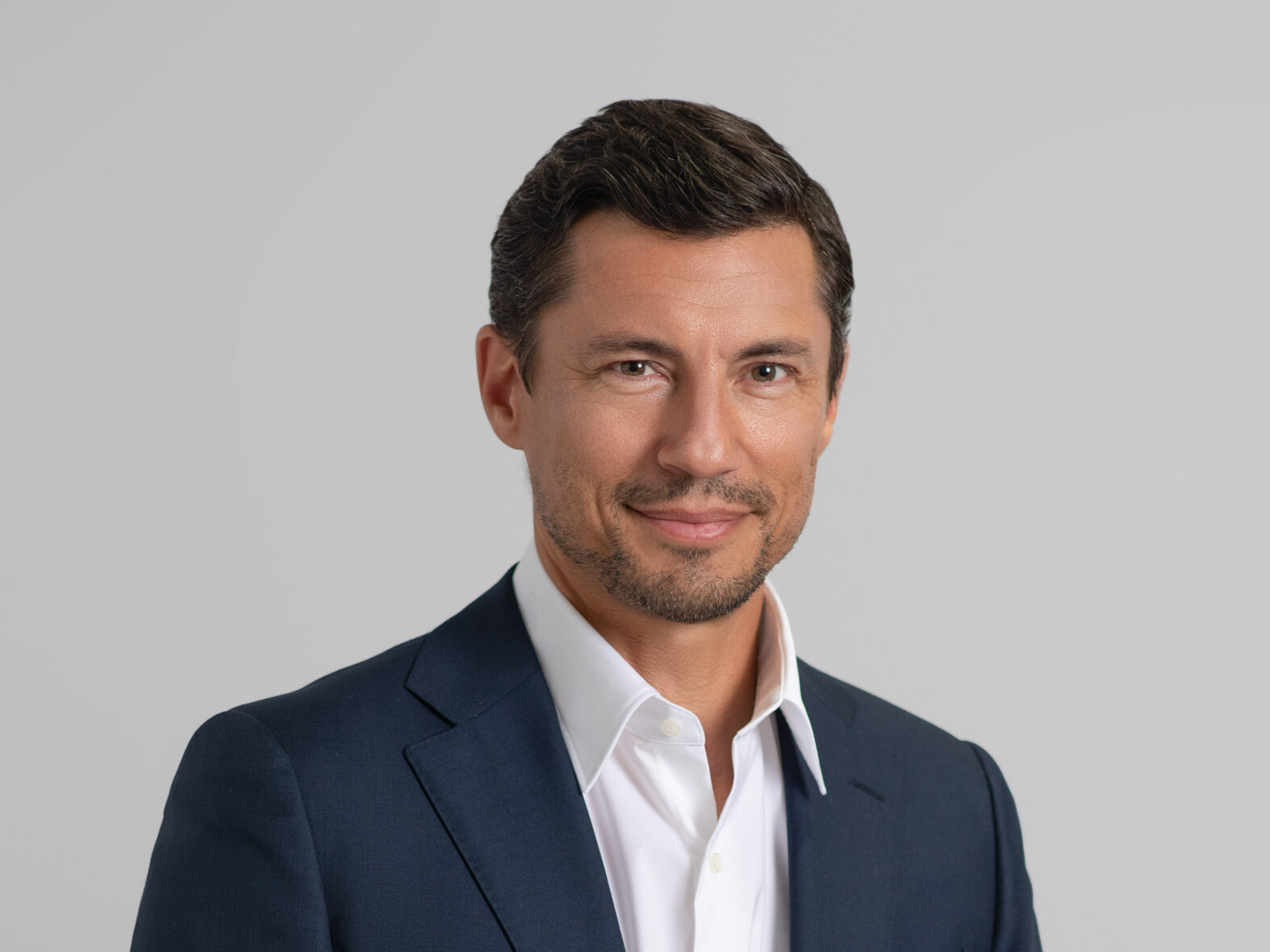
You bring a wealth of experience from various countries. What is your perspective on the position of the pharmaceutical industry in Switzerland?
Switzerland is rightly regarded as one of the world’s leading life‑sciences hubs — the combination of scientific excellence, a strong innovation ecosystem, and a high‑quality healthcare system is unique. Coming from international markets, I see this reputation as well‑earned, but also increasingly under pressure.
Patient access to innovative therapies has declined in recent years, with availability falling behind other comparable countries. Longer reimbursement timelines and a growing emphasis on short‑term cost containment make it harder for the system to keep pace with scientific progress. At the same time, global competition for investment and launch priority is intensifying, and new pricing dynamics are influencing where companies choose to bring innovation first.
Switzerland is at an important inflection point. The decisions taken now — on access, predictability, and the overall attractiveness of the environment — will determine whether the country can maintain its leadership and ensure that patients continue to benefit from timely innovation.
Where do you see Switzerland’s greatest strengths in an international comparison?
Switzerland’s greatest strength is its uniquely integrated life‑sciences ecosystem. Few countries combine world‑class universities, leading healthcare institutions, and a highly innovative pharmaceutical and biotech industry in such a seamless and mutually reinforcing way. This creates an environment where scientific progress can move rapidly from discovery to real‑world impact.
Internationally, Switzerland stands out for its consistent leadership in innovation metrics, including top positions in patents per capita in the life‑sciences sector. At the same time, the country benefits from a high‑performing healthcare system grounded in solidarity, broad access, and strong societal trust in science — an asset that cannot be taken for granted in many markets.
This combination of scientific excellence, system performance, and societal trust makes Switzerland an exceptionally attractive location for research, development, and the delivery of high‑quality patient care.
As a newly elected member of the Interpharma Board, you can now contribute your international experience to the Swiss pharmaceutical industry—what will be your priorities?
My priority is to help ensure that Switzerland continues to be a leading life‑sciences hub while safeguarding timely access to innovative therapies for patients supported by a framework that appropriately rewards scientific innovation. These two goals are inseparable: a strong innovative ecosystem only delivers its full value when patients can benefit from new treatments without unnecessary delay.
To achieve this, we need stable and predictable framework conditions that support long‑term investment, encourage scientific progress, and maintain Switzerland’s global competitiveness. This requires close collaboration between policymakers, the healthcare system, and industry to develop sustainable, forward‑looking solutions rather than short‑term fixes.
In this context, I see my role as combining determination with partnership — setting clear ambitions for the future while working constructively with all stakeholders to deliver them.